
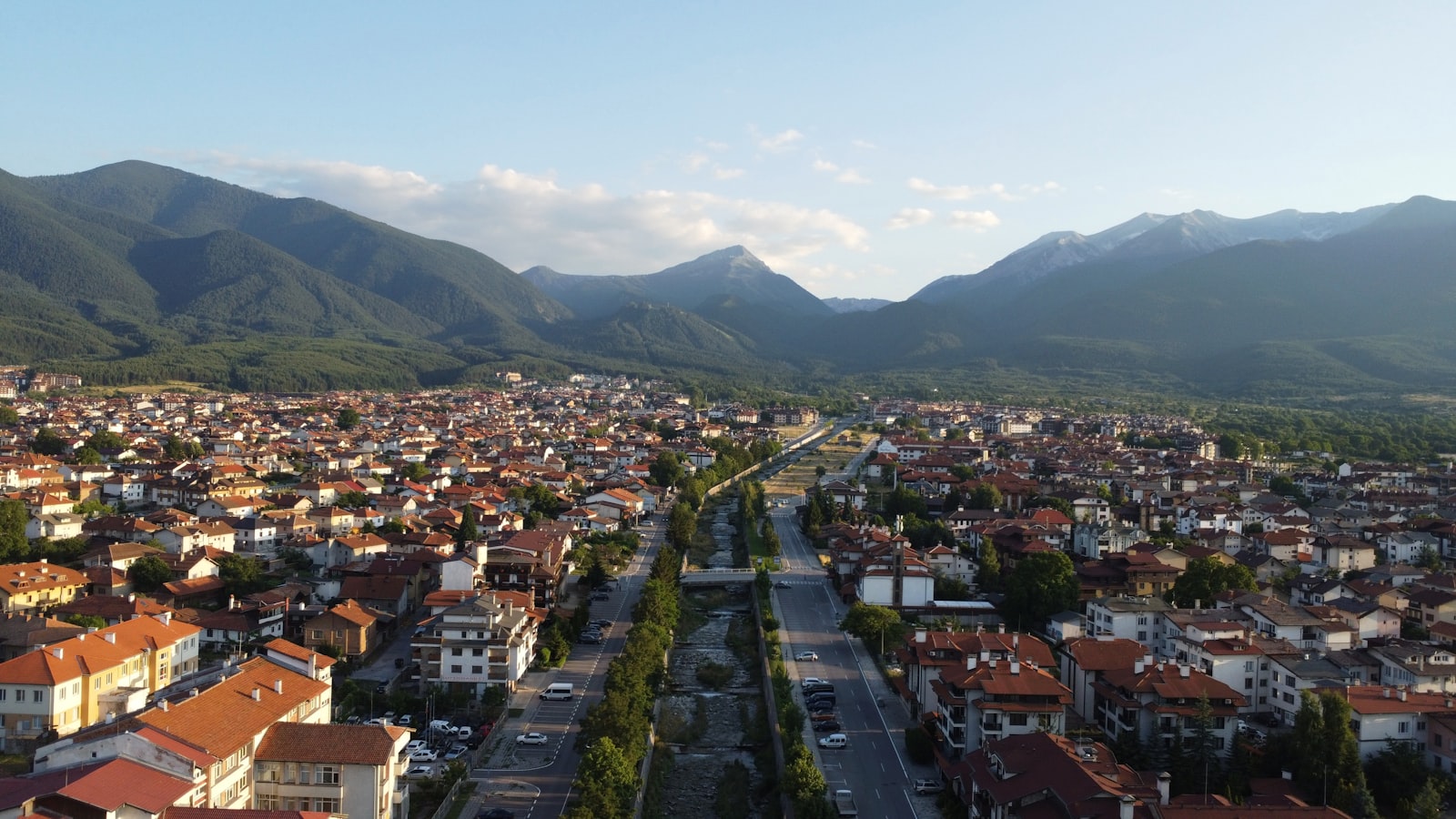
Buying a home abroad feels complicated mainly because the steps are unfamiliar. In Bulgaria the process is clear and well established: a property is transferred by a notarial deed signed before a notary, and the deed is then registered in the Property Register. Here is how a typical purchase in Bansko unfolds, whether you are Bulgarian, Israeli, a digital nomad or an investor.
Step 1: Define What You Need
Before viewing anything, decide on three things:
- Purpose. Your own home, a holiday base, a rental investment, or a mix of these. A ski-in apartment and a long-term family home are very different purchases.
- Budget. Include purchase costs (see below) and annual ownership costs such as maintenance fees, property tax and the waste collection fee.
- Financing. Cash or a mortgage. If you need a loan, talk to a bank early, because the bank’s approval affects your timeline.
Since 01.01.2026 Bulgaria uses the euro, so prices, fees and taxes are all quoted in EUR.
Step 2: Viewings and Shortlist
Look at more than one building. In Bansko, the price per square metre is only part of the picture. Ask about:
- the annual maintenance fee and what it covers;
- the condition of the building, heating type and energy costs;
- whether the building has a working management company or owners’ association;
- rental history, if you plan to let the property.
Autumn and spring are good seasons to view — buildings are quiet and sellers have time to talk.
Step 3: Legal Check of the Property
Before you pay anything, the documents of the property should be checked. The usual set includes:
- the seller’s title deed (notarial deed or other document of ownership);
- a cadastral sketch from the Cadastre;
- a certificate of encumbrances from the Property Register, showing mortgages, liens or claims;
- a tax assessment certificate from the municipality;
- proof of no unpaid local taxes on the property;
- where relevant, the seller’s marital status and the consent of a spouse, and the building’s permit and Act 16 (certificate of use) for newer buildings.
This check tells you whether the seller can sell, whether there are debts attached to the property, and whether the property is what the listing describes.
Step 4: Reservation or Deposit
Once you agree on the price, the property is usually taken off the market against a deposit, recorded in a written deposit agreement. The agreement should state the price, the amount of the deposit, the deadline for the next step and what happens to the deposit if either side withdraws.
Step 5: Preliminary Contract
For most purchases, buyer and seller sign a preliminary contract. It sets out:
- the property and its identification details;
- the price and the payment schedule;
- the deadline for signing the notarial deed;
- who pays which costs;
- the condition in which the property is handed over, including furniture if included.
If you buy with a mortgage, the preliminary contract is usually one of the documents the bank asks for.
Step 6: Notarial Deed and Registration
The final step takes place at a notary in the district where the property is located. Before signing, the notary checks the identity of the parties, the ownership documents and the tax assessment. Both sides sign declarations required by law — for example, about the origin of funds and outstanding tax obligations.
If you do not speak Bulgarian, a sworn translator attends the signing and translates the deed for you. Payment is made by bank transfer; cash payments above the legal threshold are not allowed.
After signing, the notary sends the deed for registration in the Property Register. From that moment you are the registered owner.
Can’t be in Bulgaria for the signing? You can buy through a notarised power of attorney, signed abroad (with an apostille or at a Bulgarian consulate) or in Bulgaria before you leave.
Purchase Costs to Plan For
Costs are calculated on the higher of the contract price and the tax assessment of the property. Unless agreed otherwise, the buyer usually pays:
- Local transfer tax. Set by each municipality, up to a maximum of 3% under the Local Taxes and Fees Act. Check the current rate with the municipality where the property is located.
- Notary fee. Set by a statutory tariff on a sliding scale, with a cap, plus VAT.
- Registration fee. 0.1% of the value, paid to the Registry Agency.
- Translation and power of attorney costs, if needed.
- Agency commission. At Local Property Expert, the commission for a purchase or sale is 3%, minimum 2 000 EUR.
After the purchase, you need to declare the property with the municipality and then pay the annual property tax and waste collection fee.
A Note for Buyers from Outside the EU
Citizens of non-EU countries, including Israel, can buy apartments and houses in their own name. Different rules apply to land — such as a plot or the land under a detached house — and buyers often use a Bulgarian company or another legal structure for this. Get advice on your specific situation before you sign.
This article is general information, not legal or tax advice.
Quick Checklist
- Clear goal, budget and financing plan.
- Several viewings, with maintenance fees and building condition checked.
- Full document check before any payment.
- Written deposit agreement and preliminary contract.
- Notary, sworn translator if needed, payment by bank transfer.
- Property declared with the municipality after the deal.
How We Can Help
Local Property Expert works in Bulgarian, English and Russian and guides buyers from the first viewing to the notary deed.
- Ready to start? See how we handle buying and selling property in Bansko and the region.
- Need a loan? Help with financing is included in our commission. We are not a credit intermediary — we work with licensed partners.
- Can’t find the right property on the market? With Property Scout we look for properties that are not publicly listed. The fee is 600 EUR per property and is deducted from the commission if a deal is made.
 Български
 English
 Русский
 עִבְרִית