
It is the first question almost every property owner in Bansko asks us: should I rent my apartment to holiday guests through Airbnb and Booking, or find a long-term tenant and forget about it? Both can work well. Both can also disappoint, if they are applied to the wrong property or the wrong owner. Here is how to think about the choice, and what changed in 2026 that every short-term host needs to know.
How Rental Demand Works in Bansko
Bansko does not have one rental market; it has several, and they peak at different times of the year.
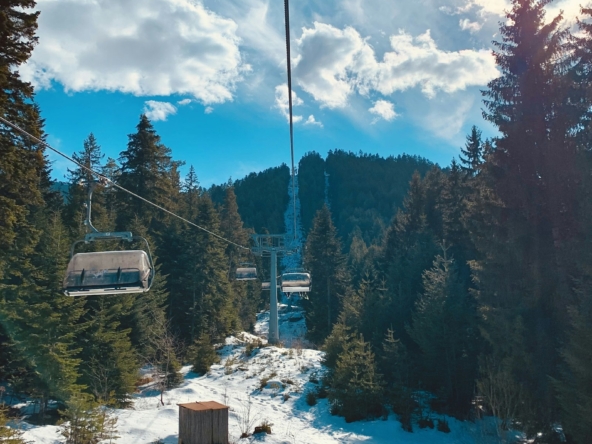
- Winter: the ski season, usually from mid-December to around mid-April, is still the strongest period for short stays. Nightly rates are at their highest and the best-located apartments are booked weeks in advance.
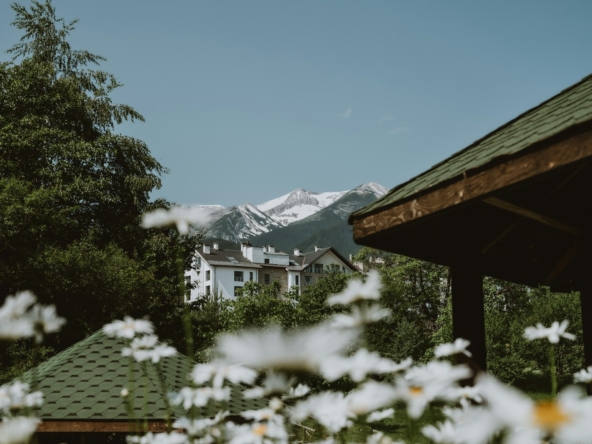
- Summer: festivals such as the Bansko Jazz Festival and Nomad Fest, hiking in Pirin and mountain biking have turned July to September into a second, smaller season.
- Spring and autumn: the shoulder seasons are noticeably quieter for holiday guests. This is where many short-term calendars show empty weeks.
- All year: remote workers, digital nomads, local families and people working in the resort look for homes they can live in for months, not nights.
Short-Term Rental: Higher Peaks, More Work
Why owners choose it: in peak weeks, a well-located apartment can earn in a few nights what a long-term tenant pays in a month. You also keep the flexibility to block dates and use the property yourself.
What to factor in:
- Seasonality: strong winters and summers, but quieter shoulder months
- Platform commissions, cleaning after every stay, linen and consumables
- Guest communication before, during and after every stay, often late in the evening
- Faster wear and tear on furniture and appliances
- More administration, which became stricter in 2026 (see below)
What Changed in 2026 for Short-Term Hosts
Short-term letting in Bulgaria has always been regulated, but enforcement is now much easier for the authorities:
- Registration with the municipality. Under the Tourism Act, apartments rented to tourists must be registered as guest rooms or guest apartments with the mayor’s office (or categorised, for guest houses).
- Guest registration in ESTI. Every stay must be entered in the Unified Tourism Information System (ESTI), and a tourist tax set by the municipality is collected per guest, per night.
- The new EU rules. Since 20 May 2026, EU Regulation 2024/1028 on short-term rentals applies. The registration number must appear in every online listing, and platforms share data with the authorities. Listings without a valid registration risk being removed.
- Income reporting. Under the EU’s DAC7 rules, Airbnb, Booking and similar platforms report their hosts’ earnings to the tax authorities, so undeclared income is easy to spot.
None of this is a reason to avoid short-term rental. It simply means it should be run properly, as a small business, from day one.
Long-Term Rental: Stable, Predictable, Low-Maintenance
Why owners choose it: one contract, one tenant, a fixed monthly income and very little day-to-day involvement. There is less wear on the property, no cleaning between guests and no empty weeks in the shoulder seasons.
What to factor in:
- Lower income potential than a good short-term winter
- Less flexibility to use the property yourself
- The importance of choosing the right tenant and a clear written contract, with a handover protocol and meter readings
For individuals, rental income in Bulgaria is taxed at a flat 10%. The exact treatment depends on your tax residency, so it is worth a short conversation with an accountant.
Which Strategy Fits Your Property?
In our experience managing more than 130 properties in Bansko and the surrounding area, the property itself usually decides.
Short-term usually works best for:
- Apartments close to the gondola or in the centre
- Complexes with a pool, spa or ski facilities
- Larger apartments that can host families or groups
- Owners who want to use the property themselves for part of the year
Long-term usually works best for:
- Studios and one-bedroom apartments in residential buildings in town
- Buildings with year-round heating and reasonable maintenance fees
- Owners who value predictable income over maximum income
Not every property earns more on short-term rental, even in a ski resort. Smaller units away from the slopes often do better with a reliable long-term tenant once cleaning, commissions and empty weeks are counted.
The Middle Option: Monthly Stays
Between the two sits a growing segment: remote workers and digital nomads who stay for one to six months. Medium-term stays can fill the shoulder seasons with fewer turnovers than nightly bookings, and they suit Bansko well because of its established remote-work community.
Questions to Ask Yourself Before Deciding
- How many weeks a year do I want to use the property myself?
- Do I want the highest possible income, or the most predictable one?
- Who will handle guests, cleaning, repairs and paperwork, especially if I live abroad?
- What do the building’s rules and maintenance fees allow and cost?
How We Can Help
We manage both long-term and short-term rentals in Bansko, from finding tenants and guests to cleaning, maintenance, guest registration and monthly reports. If you are not sure which strategy fits your property, we will look at it with you and give you a realistic picture before you decide.
This article is general information and not legal or tax advice. Rules and rates can change; check your specific situation with a professional.
 English
 Български
 Русский
 עִבְרִית