If you’ve spent any time in remote-work circles over the past few years, you’ve probably heard someone rave about a small mountain town in Bulgaria called Bansko. What started as a modest ski resort has quietly become one of Europe’s most talked-about digital nomad hubs — and in 2026, three major changes make it a genuinely stronger option than ever: Bulgaria’s new Digital Nomad Visa, full Schengen membership, and the switch to the euro.
Here’s what you actually need to know if you’re considering Bansko as your next base.
Why Bansko, Specifically?
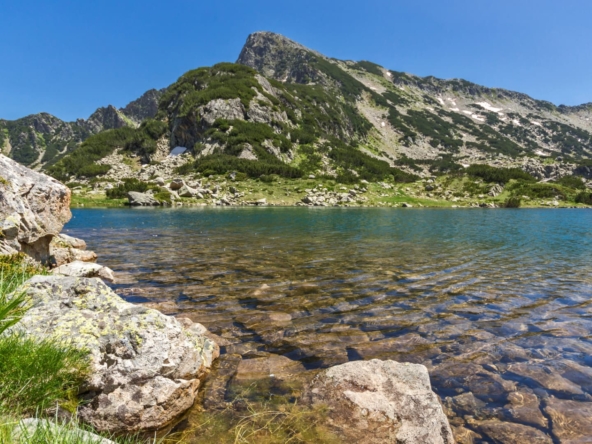
Bansko punches well above its weight for a town of its size. It’s compact — nothing is more than a 20-minute walk, so you don’t need a car to move between your apartment, a coworking space, and the cafés in the Old Town. It sits in the Pirin Mountains, which means hiking trails and mineral hot springs are part of daily life rather than a weekend project.
What really sets it apart, though, is the density of its remote-work community. Bansko hosts one of the largest concentrations of coworking spaces anywhere relative to its population, built up over more than a decade around the original Coworking Bansko space and its now-famous annual Nomad Fest, which draws hundreds of remote workers every year.
Worth being upfront about: the experience is seasonal. Winter (ski season) and the summer festival months are lively, with cafés, coworking spaces, and the town itself buzzing. The shoulder season and parts of summer can feel quieter, with some businesses closing outside peak periods.
Internet and Coworking Infrastructure
Fiber connections in the 50–200 Mbps range are common in apartments, and several coworking spaces report speeds up to 300 Mbps symmetric — more than enough for video calls, large file transfers, or a household with two people working simultaneously.
The coworking scene has diversified well beyond the original space:
- Traditional coworking spaces with hot desks, private rooms, and community events, generally €50–150/month for a full membership.
- Coliving setups that bundle accommodation, coworking access, and shared meals into one package.
- Coworking-friendly cafés scattered around the Old Town, ideal for lighter work days or when you just want a change of scenery.
What It Actually Costs
- Rent (furnished apartment): €250–400/month
- Coworking membership: €50–150/month
- Groceries: €150–250/month
- Dining out: €5–15 per meal
- Winter ski passes: €40–50/day
All told, most people land somewhere between €600 and €1,000/month for a comfortable lifestyle — noticeably cheaper than Sofia or Plovdiv, let alone Western Europe.
The Big 2026 Update: Bulgaria’s New Digital Nomad Visa
For years, the honest answer to “does Bulgaria have a digital nomad visa?” was no — people simply lived on 90-day Schengen allowances or found workarounds through freelance permits. That changed in December 2025, when Bulgaria formally opened applications under its Law on Foreigners.
Here’s the practical shape of it:
- Who qualifies: non-EU/EEA/Swiss citizens who fall into one of three categories — remote employees of a company registered outside the EU/EEA/Switzerland, owners or major shareholders (25%+) of a foreign-registered company, or freelancers who have served non-Bulgarian clients for at least a year.
- Income requirement: roughly €31,000/year, calculated as 50 times Bulgaria’s monthly minimum wage.
- Duration: an initial one-year residence permit, renewable once for a second year.
- The process: a two-stage system. You apply for a Type D long-stay visa at a Bulgarian embassy or consulate first (this alone can take four to eight weeks), then apply for the actual residence permit within 14 days of arrival. Budget three to four months for the whole process, plus health insurance valid across the Schengen area, a clean criminal record certificate, and proof of accommodation.
- The catch: you cannot work for Bulgarian employers or serve Bulgarian clients under this permit.
If you’re a non-EU citizen who’s been doing the visa-run dance to stay in Bulgaria long-term, this is the first real, purpose-built alternative. EU/EEA citizens don’t need any of this — you can simply move to Bansko and stay as long as you like.
Schengen and the Euro: Two Quiet Advantages
Two other changes reshape the practical side of living in Bansko as a foreigner. Bulgaria completed its accession to the Schengen Area in 2025, and adopted the euro as its currency on 1 January 2026, becoming the eurozone’s 21st member.
For day-to-day life, that means no more currency conversion headaches, and a residence permit here now carries real weight for travel within the wider Schengen area. One nuance worth knowing: if you’re relying on the standard 90-days-in-180-days visa-free allowance rather than a residence permit, your time in Bulgaria now counts against your overall Schengen limit, since Bulgaria is fully inside that system. It’s a good reason to look seriously at the Digital Nomad Visa if you’re planning to stay for more than a season.
Renting First, Buying Later
Almost everyone who ends up staying in Bansko long-term follows the same arc: they rent for a season or two, get a feel for which part of town suits them, and then start looking seriously at buying.
A few things worth knowing if that’s a path you’re considering:
- Apartments in newer complexes near the gondola tend to command a premium; quieter buildings a short walk from the center offer better value without sacrificing convenience.
- Maintenance fees vary significantly between complexes — this matters more for a long-term purchase than a short rental, so it’s worth checking before you commit.
- Foreign buyers can purchase apartments in Bulgaria without restriction (land ownership has separate rules), which is part of why Bansko has such an established international resident base already.
If you’re at the stage of thinking about a base rather than just a season, we’re happy to walk through the practical side — what’s currently available, realistic price ranges by area, and what to watch for as a foreign buyer.
The Bottom Line
Bansko in 2026 is a stronger proposition than it’s ever been for remote workers: solid infrastructure, an established community, genuinely low costs relative to the rest of Europe, and — for the first time — an actual legal pathway to stay long-term if you’re outside the EU. The mountains and the coworking culture were always the draw; the paperwork finally caught up.
Thinking about Bansko as more than a season? Get in touch — we help remote workers and international buyers navigate the local property market, from short-term rentals to long-term purchases.
 Български
  English
  Русский
  עִבְרִית